5 cognitive impacts of insufficient hydration
Water is not just fuel: it directly nourishes the nervous system. Even mild dehydration disrupts electrolyte balance (sodium, potassium, magnesium, calcium), slows nerve signal transmission, and impairs mental clarity.
A meta-analysis (Medicine & Science in Sports & Exercise, 2018) confirms that dehydration impairs alertness, working memory, and reaction time. Specifically:
- Reduced concentration: decreased alertness, slow reactions, less clear decisions. The brain struggles to filter and process information.
- Weak memory: more frequent forgetfulness, difficulty managing multiple pieces of information, and lack of focus.
- Increased stress and mood swings: increased cortisol, irritability, and decreased resilience and patience.
- Reduced willpower: increased mental fatigue, weakened self-control, and decreased perseverance.
- Deteriorating mental agility: less adaptability to change and cognitive flexibility. Difficulty switching quickly from one task to another in a changing environment due to reduced energy.
Hydration is not just about drinking water: it depends on the right balance of water and minerals, which is essential for optimal cell and brain function. Neglecting this balance can lead to fatigue, headaches, and less clear decision-making.
When and how to drink for optimal performance
- First thing in the morning: two glasses of water upon waking to compensate for the night.
- Before a key moment: one glass 20 to 30 minutes before a meeting or presentation.
- Throughout the day: spread your intake, one glass every 1-2 hours.
- In stressful or hot conditions: choose drinks with electrolytes, or coconut water, which is rich in potassium and magnesium.
Tip: incorporating water into your routines (a glass before each coffee or phone call) makes it easier to stay consistent.
What to drink (and what to avoid)
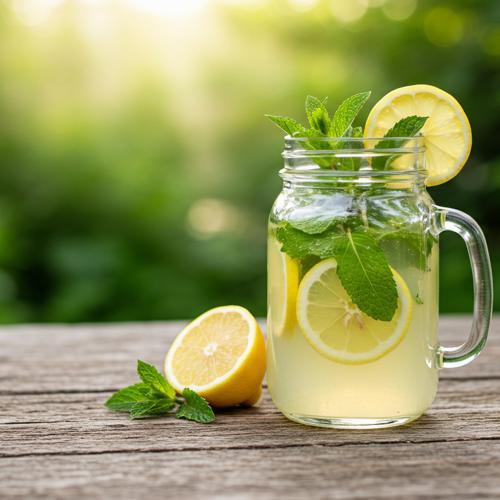
- Prefer: water, lightly enriched water (lemon, pinch of sea salt, fresh herbs), light broths, and water-rich fruits and vegetables (cucumber, citrus fruits, melons, strawberries).
- Consume in moderation: coffee, tea, and alcohol, which can have a dehydrating effect when consumed in excess.
Hydration: a performance lever in companies
While sleep, stress, and mental load are often discussed in workplace wellness policies, hydration remains largely absent from approaches to cognitive performance in companies. Yet it is a simple, inexpensive micro-lever that is directly correlated with attention span, memory, and mental resilience.
Here are a few concrete actions that can make a difference:
- Take inspiration from pioneers. Google, for example, places its water stations in strategic locations to encourage regular hydration during internal circulation.
- Consider stylish refill stations and personalized bottles: the environment can encourage useful micro-habits.
- Integrate the theme into the organization's culture. Raise awareness during health training sessions, remind employees during meetings, or use signage in workspaces.
Companies have every interest in integrating this physiological dimension into their efficiency strategy. Because a well-hydrated brain is also a faster, more stable, and more creative brain. When it comes to sustainable performance, details make all the difference (and in this case, that detail fits in a glass).
Water, an invisible investment
In a professional world where every detail counts, hydration is a discreet but high-yield investment. It supports the clarity of mind, resilience, and energy needed to navigate meetings, negotiations, and strategic projects. A well-hydrated brain is clearer, more agile, and more resilient, and makes the difference between a productive day and a difficult one.
So, before your next big decision, ask yourself: have you given your brain the invisible fuel it needs?
To go further:
➡️ Professional Efficiency: Enhancing Your Performance Through Neurosciences
Souces :
Wittbrodt, M. T., & Millard-Stafford, M. (2018). Dehydration Impairs Cognitive Performance: A Meta-analysis. Medicine & Science in Sports & Exercise, 50(11), 2360–2368.
Masento, N. A., et al. (2014). Effects of hydration status on cognitive performance and mood. British Journal of Nutrition, 111(10), 1841–1852.