Recruiting is about telling a story
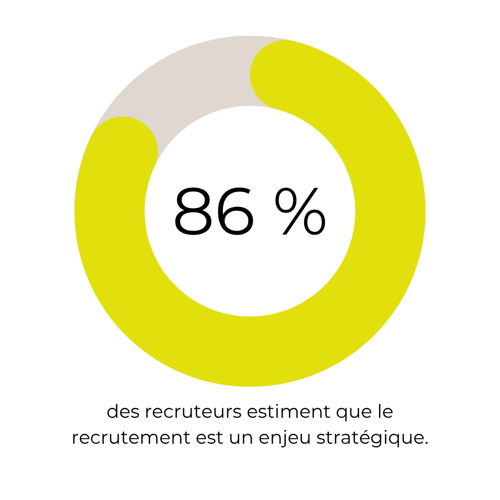
86% of recruiters believe that recruitment is a strategic issue
Nearly 80% of candidates say that their experience
during the recruitment process reflects the real culture of a company. In other words, the way you recruit is perceived as a preview of future collaboration.
An unclear, unresponsive, or inconsistent process suggests a disorganized or inhumane environment. And the consequences are immediate: 60% of candidates are willing to leave a process in progress if they have a bad experience. Worse still, an unsatisfied candidate will tell an average of 18 people about their experience, while a satisfied candidate will tell only 6.
Don't underestimate your power of influence
Even when the pool seems more generous with more resumes received, neglecting the candidate experience is a mistake. First, because there is no guarantee that this period of abundance will last. Second, because in sectors under pressure (IT, engineering, construction, skilled trades), every application counts for today or for the future.
As I often say, the candidate experience is an extension of your employer brand. It comes into play in every interaction, from the first click on the job posting to onboarding.
Set yourself benchmarks
You can track indicators to validate whether your approach is the right one:
- The average time to fill a position (the “time to fill,” i.e., the time between when the position opens and when it is filled)
- Time to hire (the time between when the candidate enters the process and when they receive an offer)
- Cost per hire
- Process dropout rate
- Response rate within 48 to 72 hours
And don't forget to monitor your e-reputation on Glassdoor, Indeed, and even your own social networks.
Three ingredients to transform the candidate experience
The candidate experience is not limited to the interview. It is built through a series of perceptions, exchanges, and emotions. With each interaction, you have an opportunity to build trust... or damage it.
In my opinion, a successful experience is based on three pillars: clarity, consistency, and connection.
1. Clarity: manage expectations from the outsetUseful tools, without being an end in themselves A clear and well-defined process is reassuring. Announce the number of steps, the planned schedule, and response times. Explain the purpose of each interview and who will conduct it. With this approach, you increase the chances that a candidate will remain engaged in your process. They understand where they are going, with whom, and at what pace. Best practices:
|
Useful tools, without being an end in themselves The candidate experience also depends on well-chosen tools. A well-configured ATS allows you to standardize the recruitment stages, clearly communicate deadlines, and accurately track each candidate's progress. Well-written automated responses let candidates know that their application has been received or that it is being reviewed. Integrating an appointment scheduling tool allows candidates to schedule their own interviews based on their availability. Integrated analytics tools or HR dashboards help identify friction points (dropouts, slowdowns, inconsistencies) and continuously adjust your practices. To measure is to understand. But be careful: automation should serve people, not overshadow them. |
2. Consistency: reflect reality... without embellishing it
Good storytelling does not mean selling a dream. On the contrary, you need to tell the story that the employee will actually experience. If you are a growing company, be honest about the dynamic (and sometimes disorganized) environment. False promises lead to disillusionment... and early departures.
Best practices:
- Assess the gaps between HR rhetoric and actual experience (inconsistent interviews, tone that changes depending on the interviewer, values that are not embodied).
- Standardize the process as much as possible (80% of steps defined), while allowing for some flexibility.
- Establish a narrative about the good, the true, the less fun, and the opportunities to be shared with stakeholders in the recruitment process to ensure consistency.
- Involve managers and equip them with the tools they need, as they have a strong influence on the candidate's final decision.
3. Connection: don't forget the human touch
Candidates and recruiters first meet as two human beings. Smile, create an atmosphere of exchange, personalize the welcome, ask real questions: these gestures nurture the relationship from the outset.
Best practices:
- Use phone calls or videoconferencing to give feedback.
- Provide feedback even to unsuccessful candidates: “Here's what went well/what was missing.”
- Never send an offer by email without explanation. Present the offer verbally first, starting with the 2–3 priority criteria for the candidate that were validated earlier (e.g., vacation time, flexibility).
Don't stop at hiring: onboarding is just as important.
Recruiting is not just about evaluating skills or filling a vacancy. It's about initiating a long-term relationship between an organization and a new employee. And that relationship begins well before the contract is signed... and continues long after.
The candidate experience is therefore not an end in itself, but the starting point for a broader journey: the employee experience. The candidate experience opens the door; the employee experience confirms that you keep your word. Consistency, transparency, and authenticity must guide each step, so that the feeling of trust experienced during the hiring process continues into everyday working life.
If you want to better structure your practices and transform each stage of the recruitment process, discover our training course:
➡️ Candidate experience: transforming every stage to better attract and retain talent